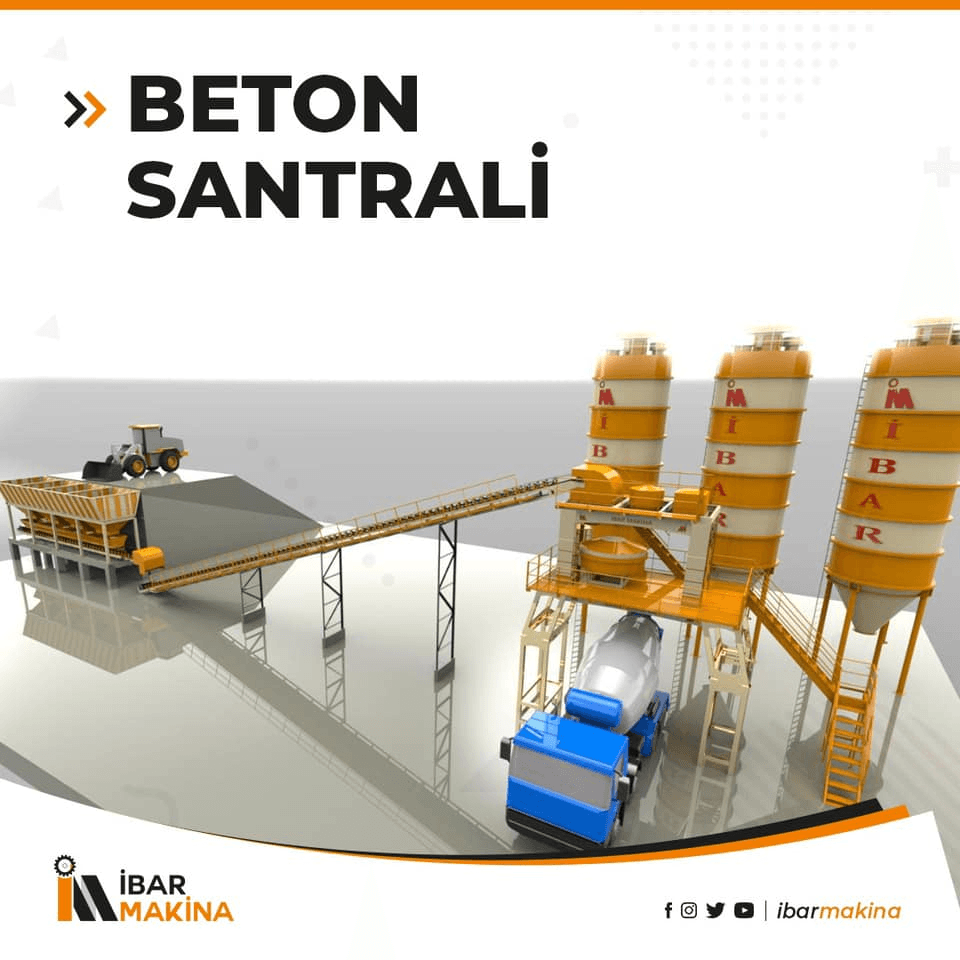
How Does a Concrete Batching Plant Work?
The components and working principle of a batching plant, which weighs and mixes aggregate, cement, water and admixtures in the right proportions.
A concrete batching plant weighs and mixes aggregate, cement, water and admixtures according to a set recipe to produce homogeneous concrete. From ready-mix production to block and paver plants, it is the first step to quality concrete.
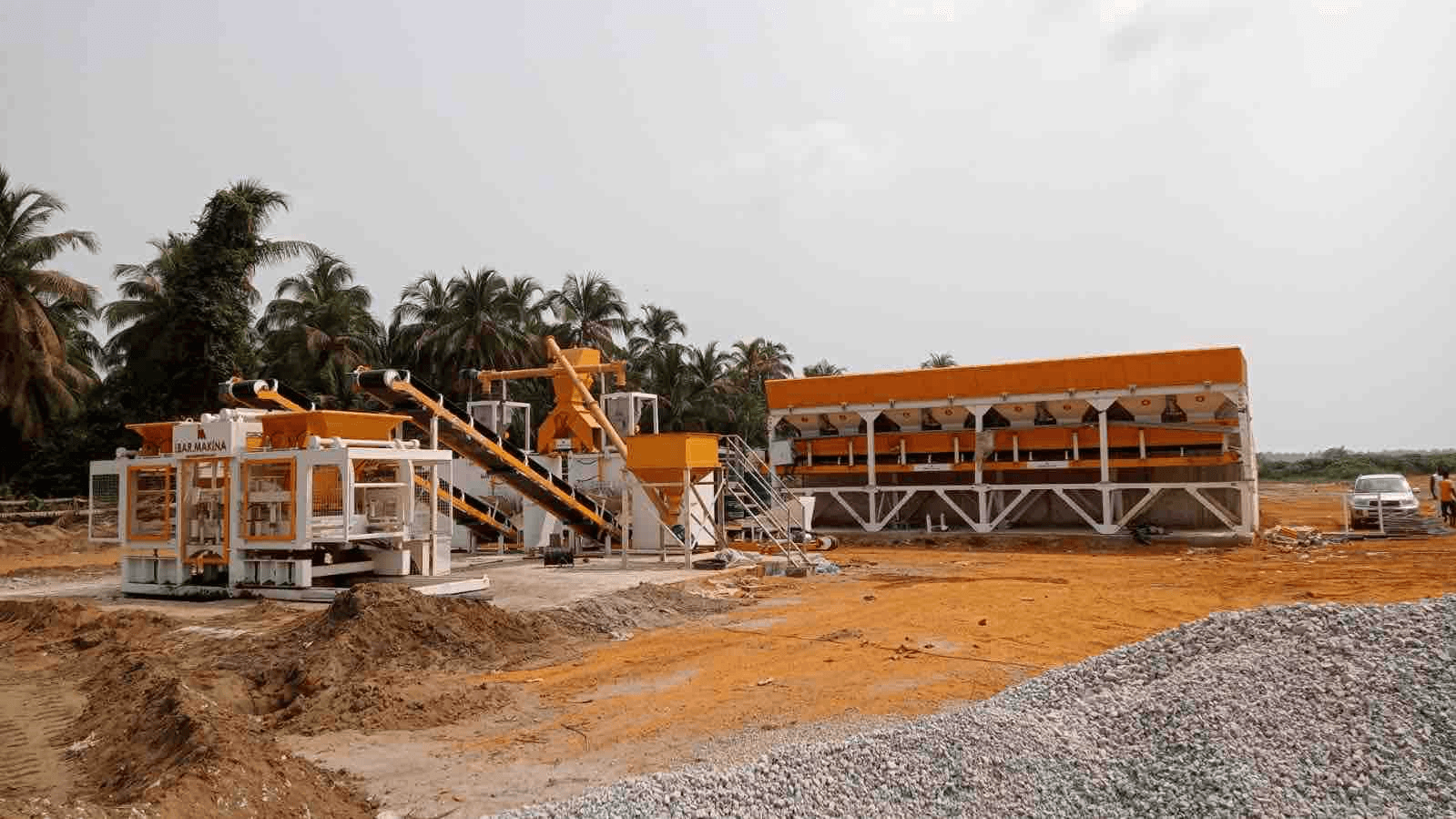
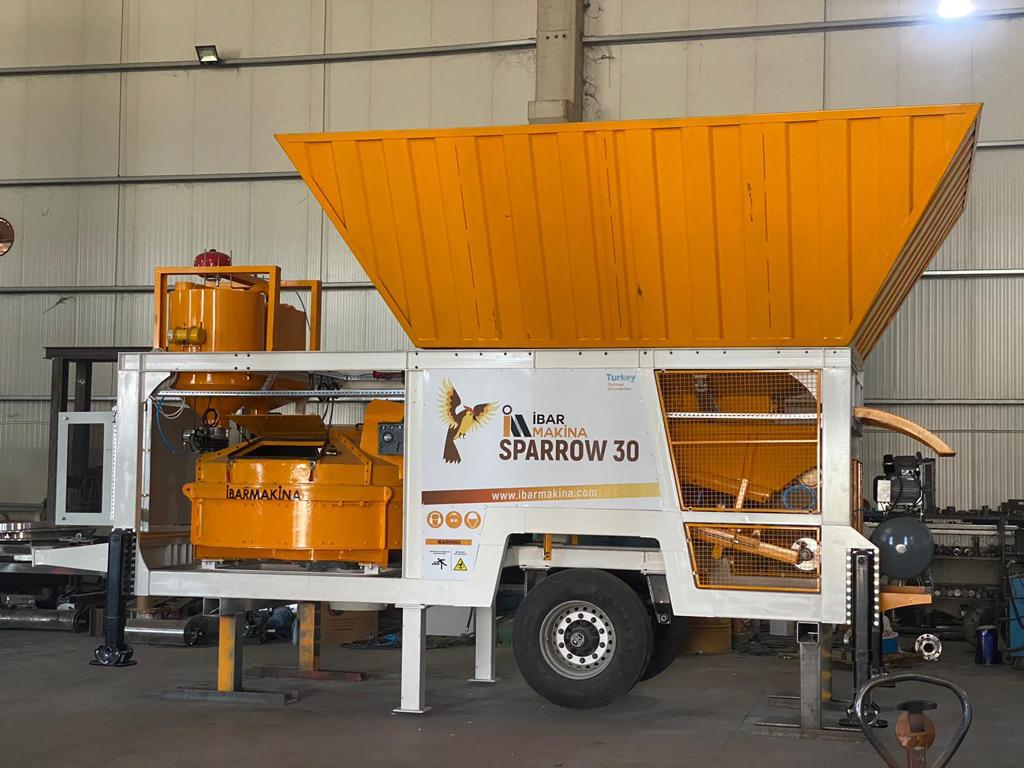
Main Components of the Plant
- Aggregate bins: where sand and gravel are stored in separate compartments
- Weighing system: scales that accurately weigh aggregate, cement, water and admixtures
- Cement silo and screw conveyor: store cement and carry it to the mixer
- Mixer: the unit where all materials are mixed homogeneously
- Control cabin: the automation system that manages recipes
Working Principle
- The operator selects the concrete recipe in the automation system.
- Aggregates are weighed from the bins and carried to the mixer by belt conveyor.
- Cement is fed from the silo by screw conveyor; water and admixtures are pumped and weighed into the mixer.
- After mixing for the set time, the concrete is discharged through the mixer gate.
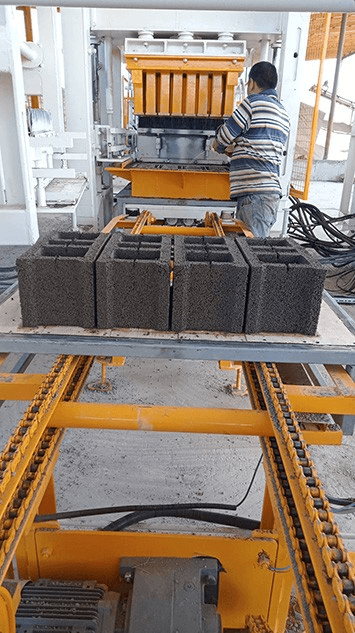
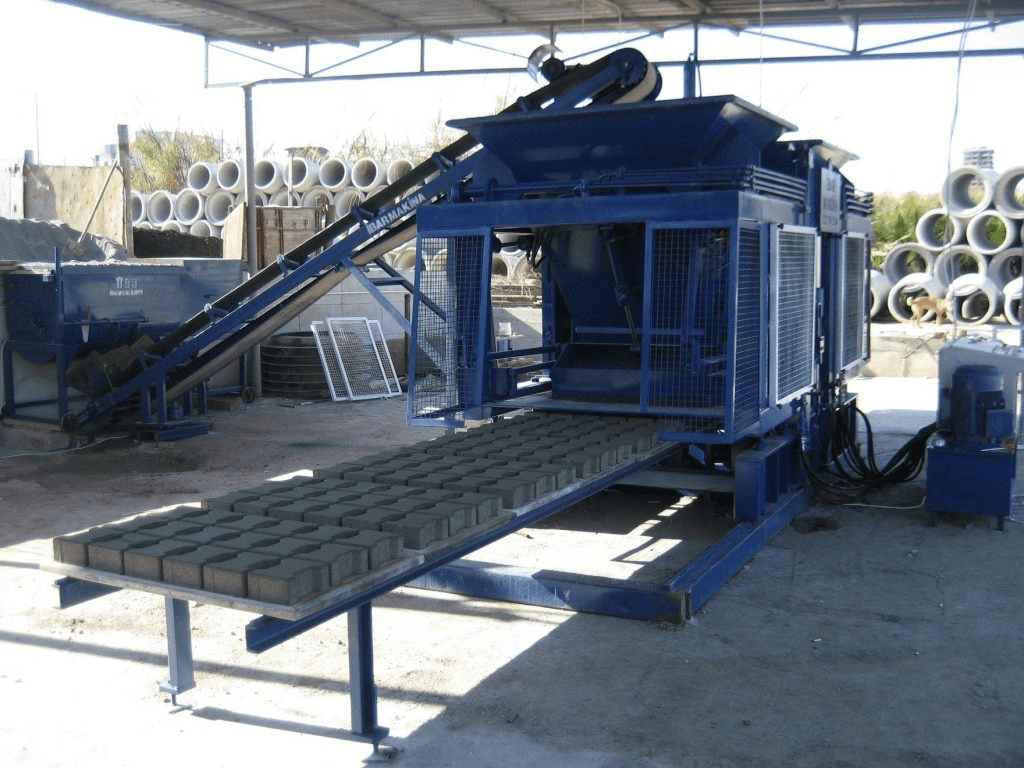
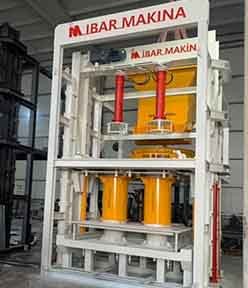
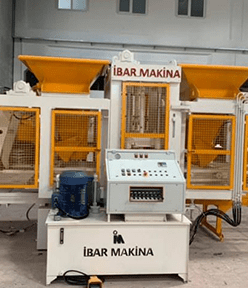
As the whole cycle is controlled by the automation system, every batch delivers the same concrete quality. In block and paver plants the batching plant feeds the machine hopper directly, ensuring uninterrupted production.
Choosing the Right Capacity
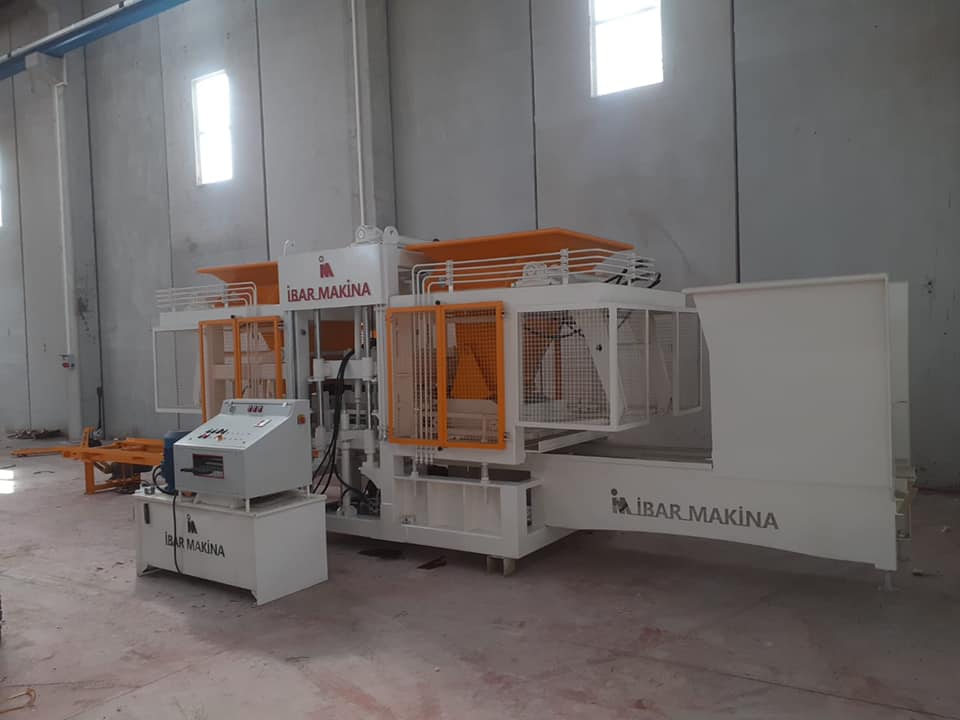
The plant's capacity should exceed the hourly concrete demand of the machine it feeds. At Ibar Makina we design our stationary and mobile batching plants with a capacity matched to the block machine being installed.