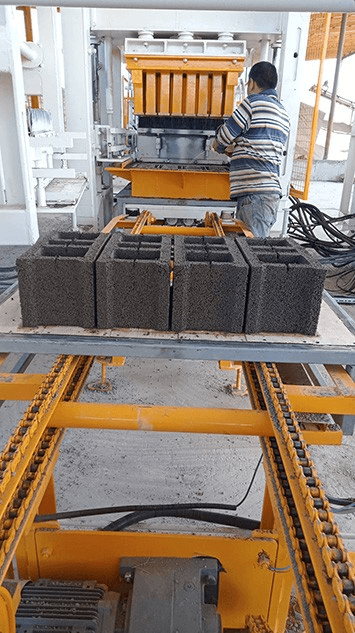
Concrete Block Machine Buying Guide
How should you evaluate capacity, automation level, mould quality, site requirements and service support when buying a block machine? A step-by-step guide.
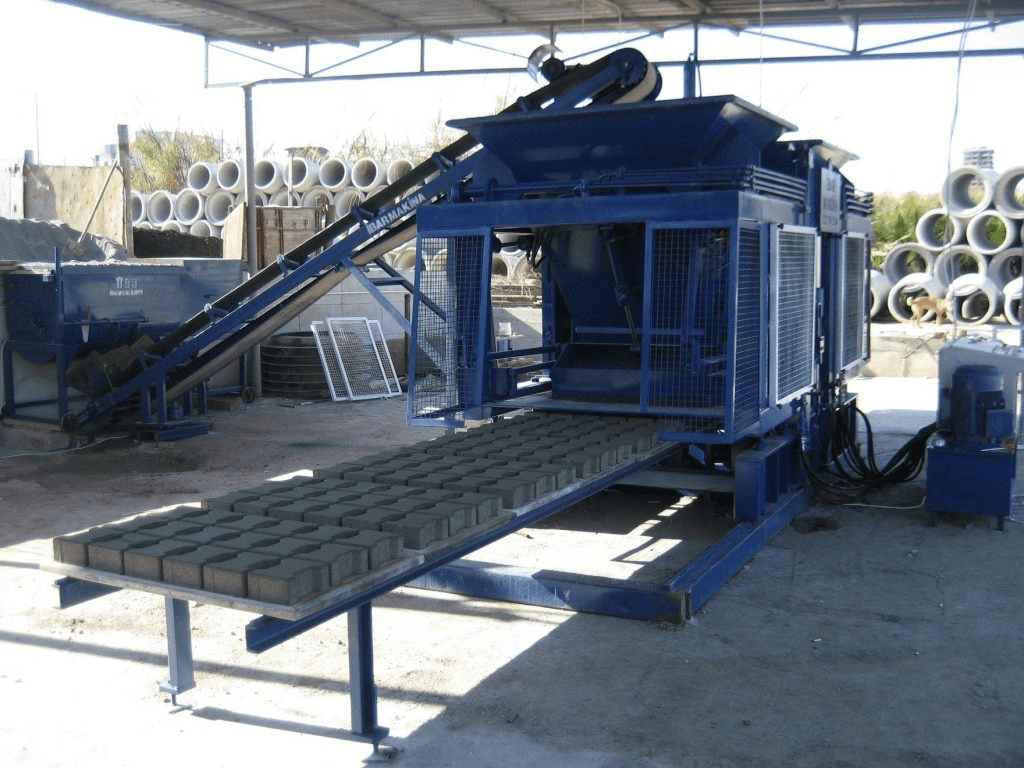
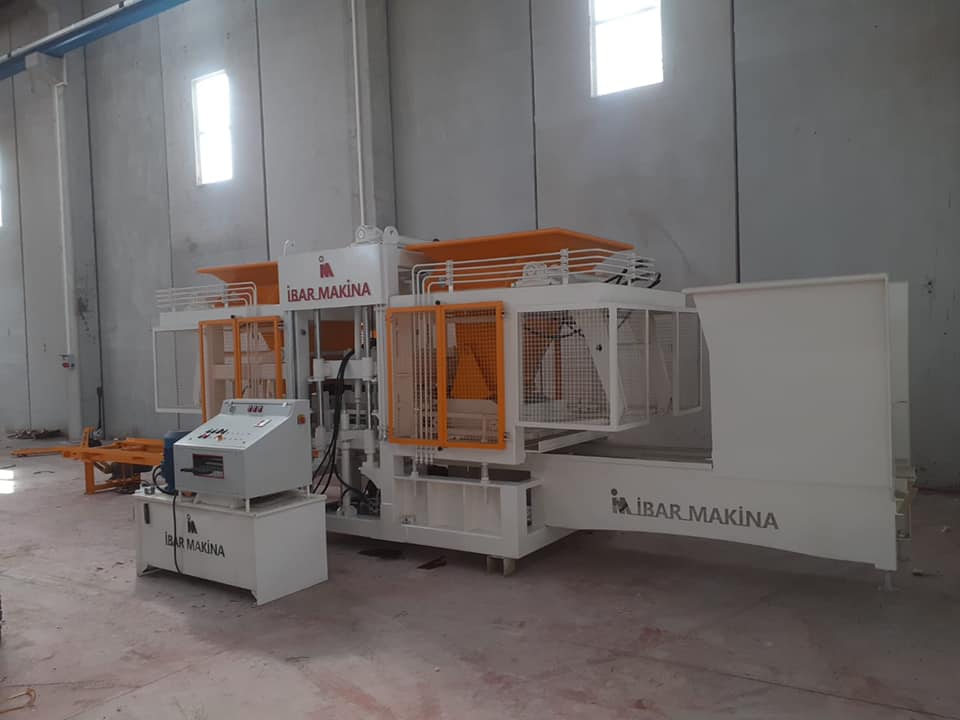
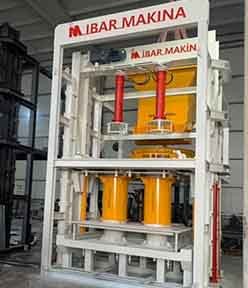
The block machine is the heart of any concrete products plant. A poorly chosen machine delays the return on investment through low capacity, high waste and frequent breakdowns. In this guide we have gathered the key criteria to consider before you buy.
1. Define Your Production Target
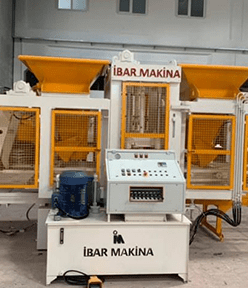
Clarify how many blocks, pavers or kerbs you need to produce per day. Local demand, the number of shifts and your growth plans directly determine the choice between a manual, semi-automatic or fully automatic machine.
2. Check Mould and Vibration Quality
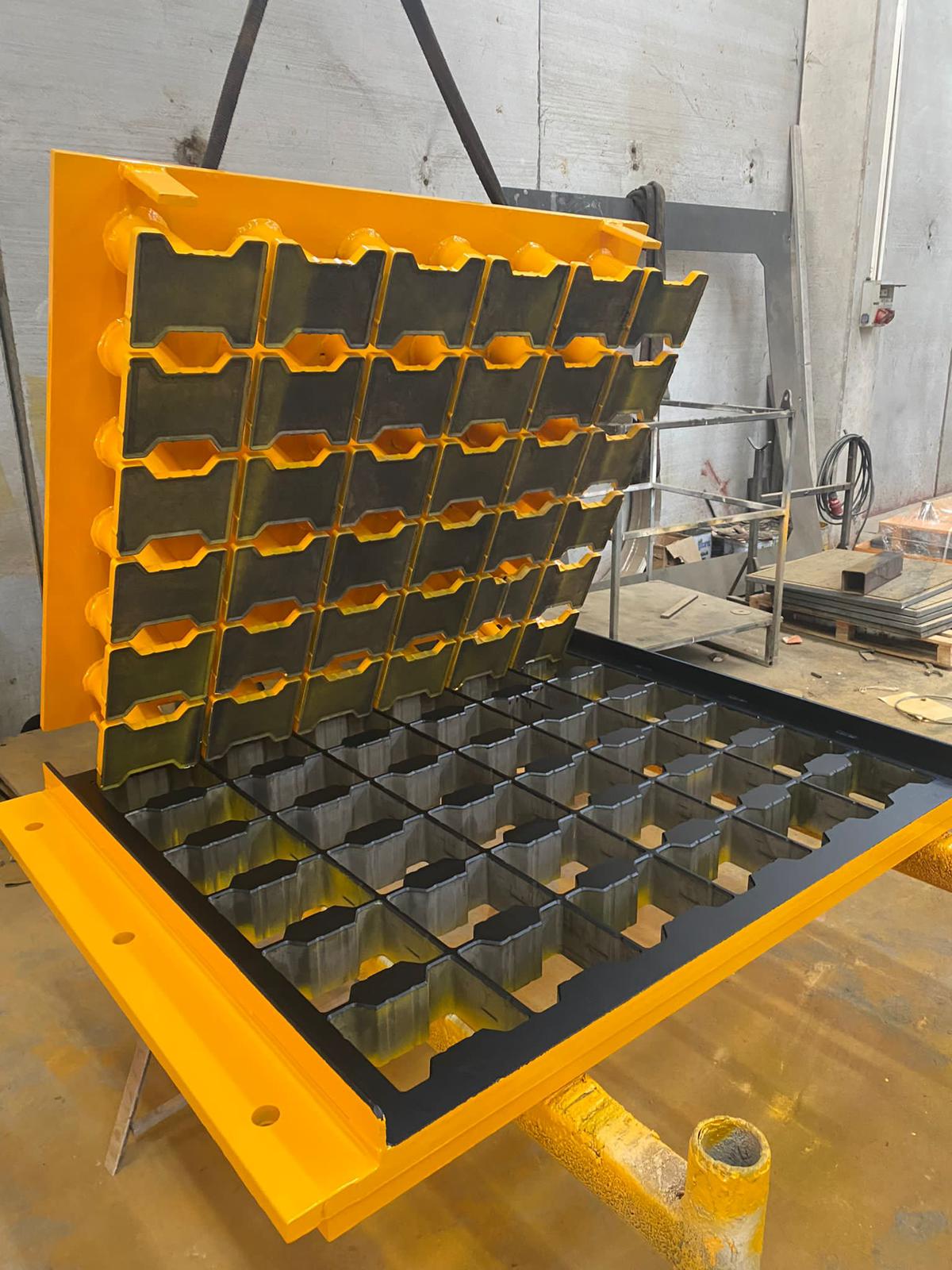
Moulds and the vibration system are the two most important factors for product quality. Moulds made of heat-treated, wear-resistant steel last longer, while balanced vibration increases product density and strength.
3. Site and Infrastructure Requirements
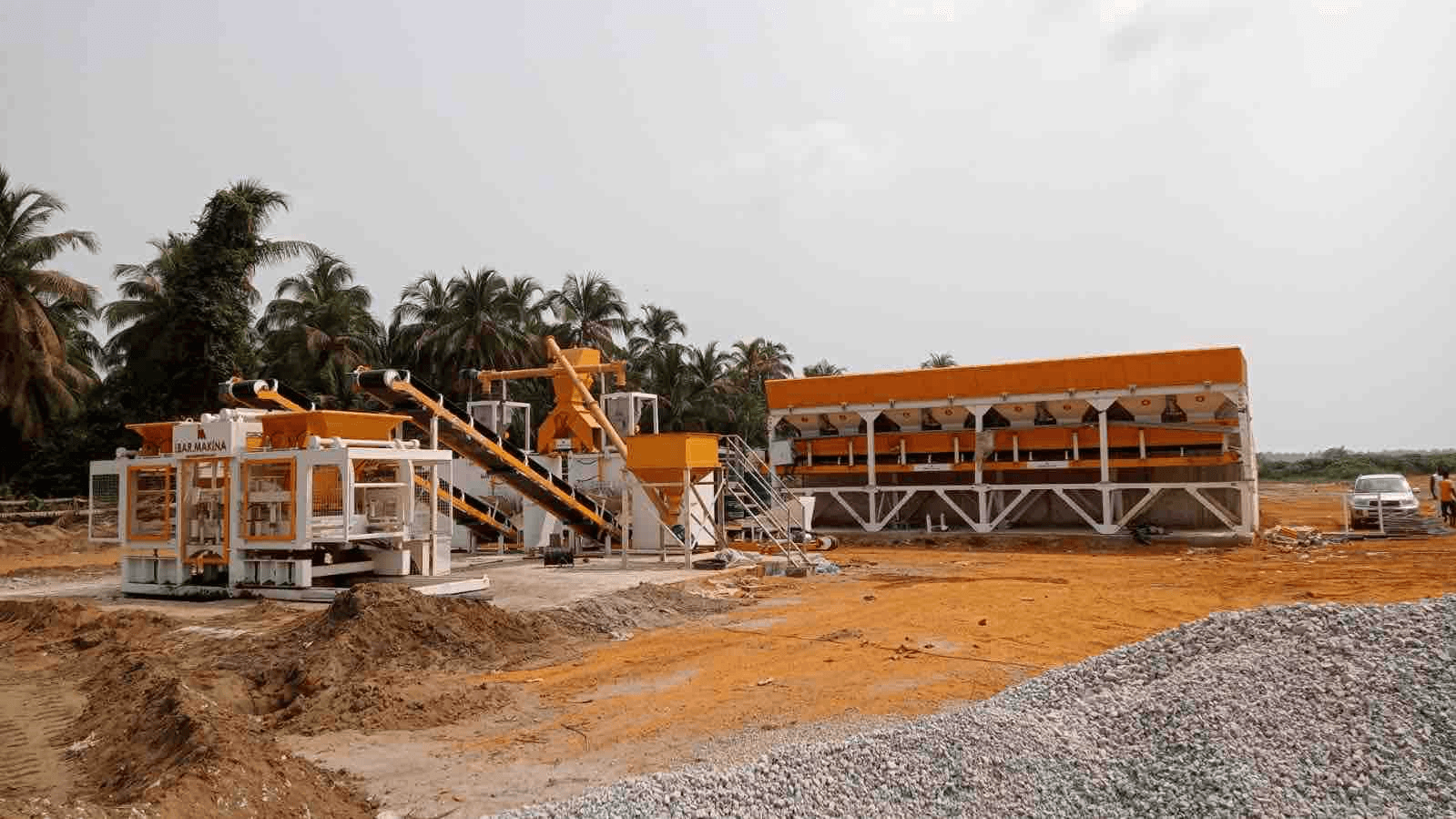
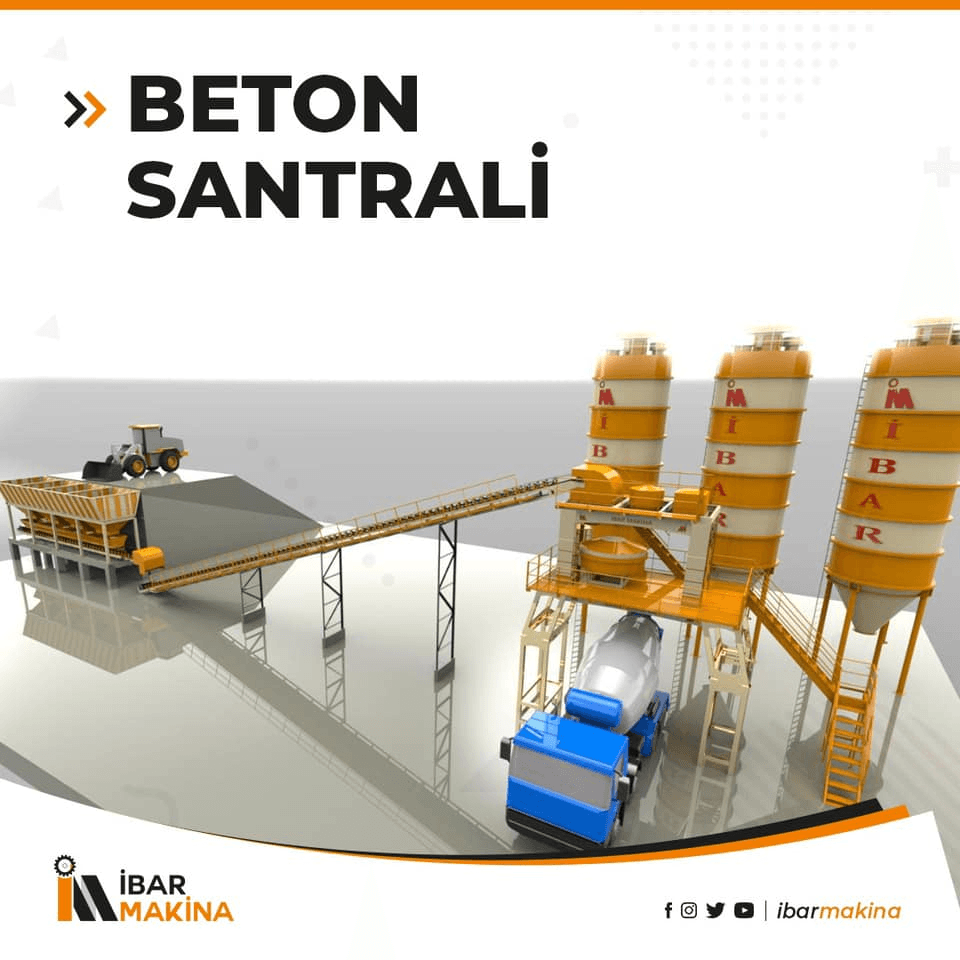
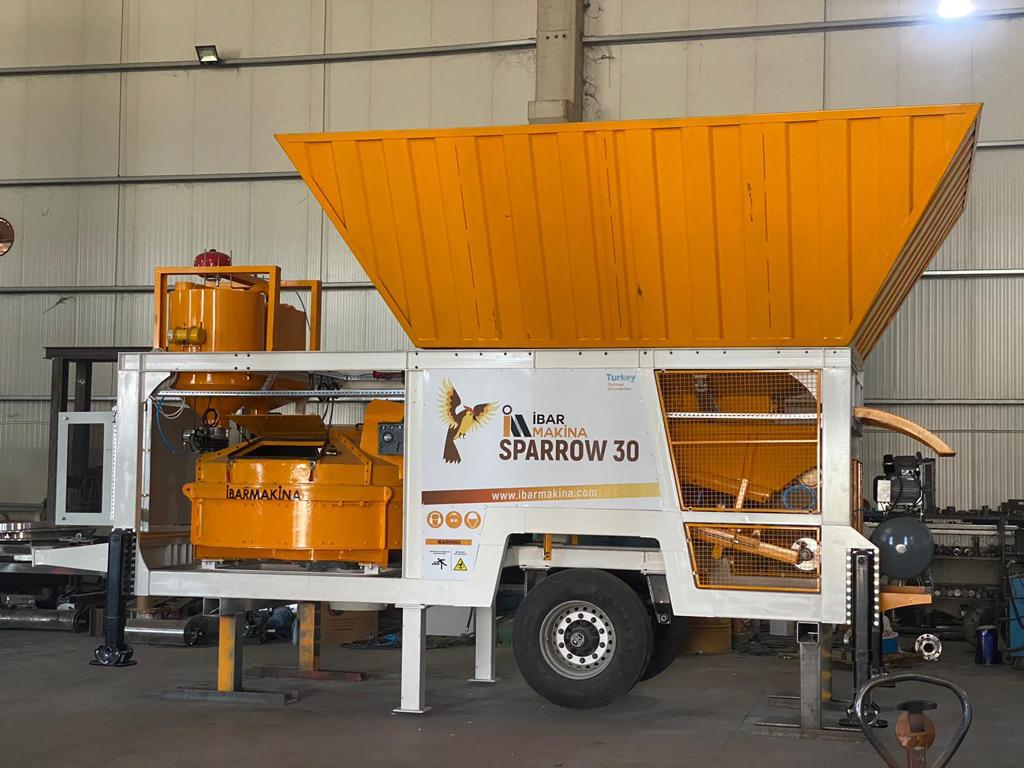
- Enough covered and open space for the machine, batching plant and curing
- Electrical supply matching the machine's power
- Continuous supply of aggregate, cement and water
- Forklift and truck access for product dispatch
4. Service, Spare Parts and Training
Having the manufacturer handle installation, commissioning and operator training lets you reach efficient production from day one. Fast access to spare parts keeps downtime to a minimum.
“The right machine meets not only today's needs but also your production target five years from now.”
5. Calculate the Total Cost
In addition to the purchase price, consider energy consumption, labour, mould life and maintenance costs. A more automated machine may look expensive at first but can close the gap quickly by lowering the cost per unit.